The influence of stress on the skin and its consequences on aging
The Impact of Stress on Skin Aging
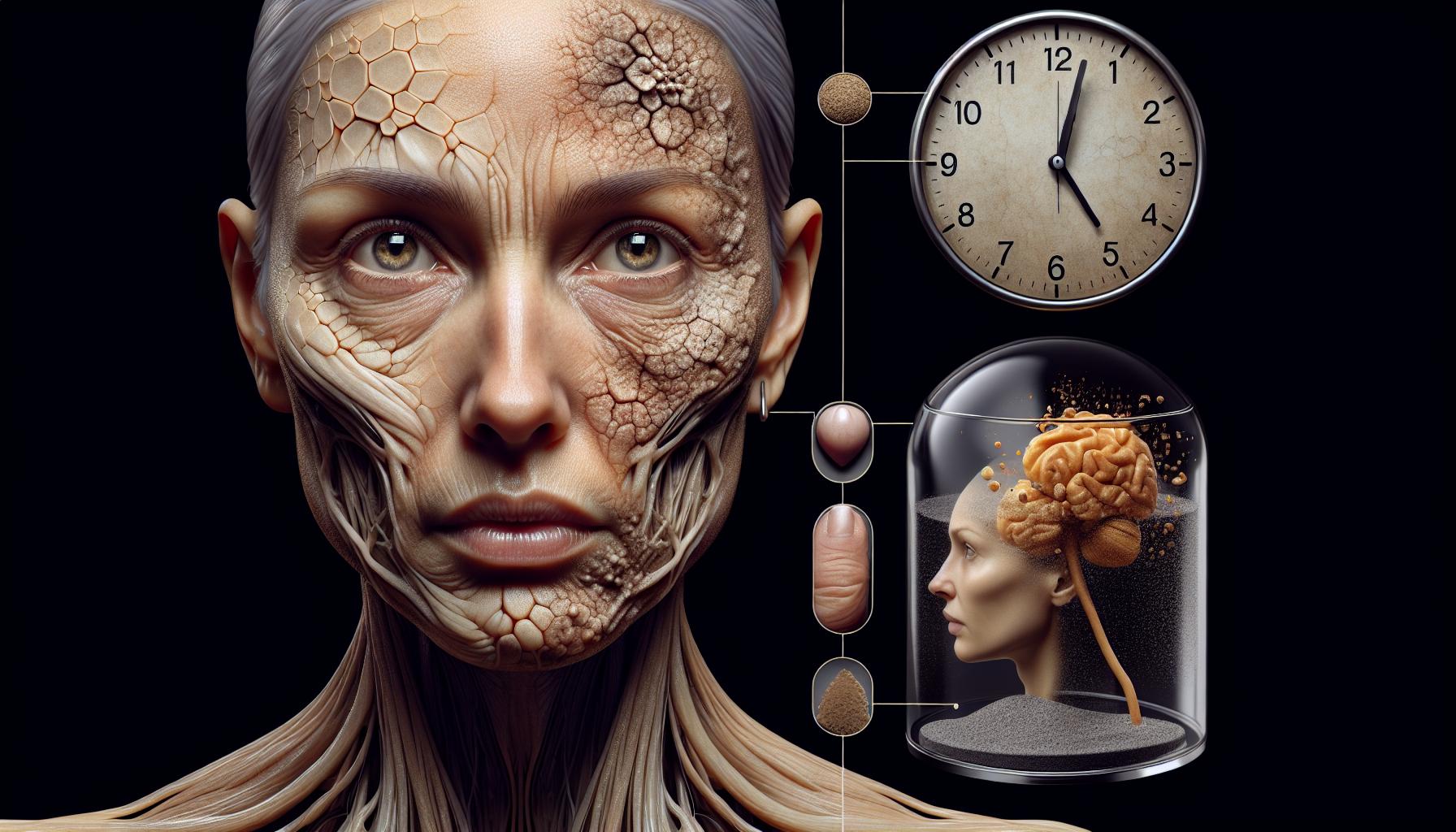
In today’s fast-paced world, stress has become an almost ubiquitous experience for many individuals. While we often associate stress with mental fatigue or emotional strain, its effects can extend far beyond the mind, manifesting vividly in our skin’s appearance. The skin, being our largest organ, acts as a mirror to our internal health, making it highly sensitive to emotional fluctuations and stressors.
As stress levels spike, the body responds by releasing hormones, particularly cortisol, which can have damaging effects on our skin’s structure and function. This biochemical response can lead to a variety of skin issues that often age the skin more rapidly than normal. Here are some of the most significant effects:
- Increased signs of aging: Symptoms like fine lines, wrinkles, and sagging skin can appear more pronounced due to decreased collagen production triggered by high cortisol levels. Collagen is crucial for maintaining skin’s firmness and elasticity, and its reduction leads to an aged appearance.
- Skin conditions: Those suffering from chronic stress may find themselves battling flare-ups of conditions like eczema, psoriasis, or acne. Stress can exacerbate inflammation and trigger the immune response, worsening these skin conditions for many people.
- Uneven complexion: The impact of stress on blood flow can lead to dullness and uneven skin tone. Increased stress can constrain blood vessels, limiting oxygen and nutrient delivery to skin cells, which can result in a tired, lackluster complexion.
Furthermore, chronic activation of the body’s stress response may lead to simplified skin care routines being abandoned, which could further exacerbate these problems. Many people under stress might neglect their skincare, leading to inadequate maintenance, increased exposure to environmental aggressors, and insufficient hydration.
To illustrate this, consider the hectic lifestyle common in urban environments like New York City, where the pressures of work and personal life can contribute to elevated stress. With rushed mornings and late nights, individuals in high-stress jobs may find their skincare routine slipping, leading to pronounced signs of fatigue and aging on their faces.
Recognizing the interplay between stress and skin health is essential for both maintaining a youthful appearance and promoting overall well-being. To combat stress-related skin aging, practices such as mindfulness, regular exercise, and a balanced diet rich in antioxidants can be beneficial. In upcoming sections, we will explore various strategies to mitigate stress and its impact on the skin, empowering you to take control of your skin health as you navigate life’s challenges.

DISCOVER MORE: Click here to learn about personalized facial care routines
Understanding the Connection Between Stress and Skin Health
The relationship between stress and skin health is complex, but many science-backed studies illuminate how psychological strain can have tangible consequences on our skin’s appearance. Chronic stress doesn’t just make you feel overwhelmed—it also contributes to premature aging in ways that many might overlook. As cortisol, the body’s primary stress hormone, increases, it can lead to a cascade of biological changes that harm skin integrity and aesthetics.
When cortisol surges, its effects can diminish the skin’s natural barrier function. This weakening promotes moisture loss, making the skin feel dry and more sensitive. Consequently, increased dryness can trigger an overproduction of oil as the skin attempts to compensate, leading to clogged pores and breakouts. Additionally, the gut health of an individual may also suffer under stress, resulting in inflammatory responses that can significantly impact skin conditions.
In order to understand how stress drives skin aging, it’s critical to delve into some of the key factors involved:
- Decreased Collagen Production: Under stress, collagen synthesis diminishes due to the effects of cortisol, resulting in a loss of skin elasticity and firmness. This process can make fine lines and wrinkles more pronounced, carrying a deeper implication for overall facial structure.
- Exacerbation of Skin Conditions: Stress is a known trigger for conditions like rosacea and acne, as it sparks inflammation and can compromise the immune system. Those with existing skin conditions may experience worsened symptoms due to elevated stress levels.
- Impaired Wound Healing: The skin’s healing mechanisms can also suffer as blood flow is restricted during stressful episodes. When it takes longer for wounds to heal, it could lead to lingering scars and increased skin aging.
While the immediate effects of stress may seem superficial, the long-term implications for skin aging can be profound. Poor lifestyle choices often accompany high-stress levels, with many individuals opting for unhealthy foods or skipping essential skincare steps. It paints a clear picture: a stressful lifestyle can lead to a vicious cycle that exacerbates skin problems, hastening the appearance of age.
For instance, consider the bustling lifestyle of many professionals in metropolitan cities like San Francisco or Chicago. With the demands of competitive careers and life challenges, the opportunity to engage in leisurely self-care may be severely limited. Those who prioritize work over personal well-being might neglect both hydration and nutrition, inadvertently contributing to skin issues and accelerated aging.
Grasping the dynamic interplay between stress and skin health is vital for anyone interested in maintaining a radiant complexion as they age. Next, we will explore actionable strategies designed to alleviate stress and promote healthier skin, enabling readers to reclaim both their mental tranquility and youthful glow.
Stress has a profound impact on the skin, influencing various conditions that can accelerate the aging process. When the body experiences stress, it triggers the release of cortisol, a hormone that can lead to increased oil production and, subsequently, acne breakouts. Additionally, chronic stress may contribute to inflammatory skin conditions such as eczema and psoriasis, which can exacerbate skin aging by disrupting the skin’s barrier function.Moreover, stress can impede the skin’s natural healing processes. Under stress, the production of collagen and elastin—proteins essential for maintaining skin elasticity and firmness—can be diminished. This reduction directly correlates with the appearance of fine lines and wrinkles, giving the skin an older, less vibrant look. As we age, the cumulative effects of stress on our skin can become more pronounced, leading to dullness and loss of radiance.Another significant consequence of stress is its impact on hydration levels. Stress can divert blood flow from the skin, leading to a decrease in moisture retention and ultimately resulting in dryness and flakiness. Dehydrated skin not only looks unhealthy but can also exacerbate the appearance of fine lines and make the skin more susceptible to irritation.Furthermore, stress has been associated with poor lifestyle choices, such as unhealthy eating, lack of sleep, and reduced physical activity, which can all negatively affect skin health. For instance, a diet high in sugar and processed foods can lead to inflammation and breakouts, while inadequate sleep can hinder the skin’s repair processes that typically occur during the night.Understanding these correlations is essential for anyone seeking to maintain healthy skin and mitigate the signs of aging. By managing stress through techniques such as mindfulness, exercise, and adequate sleep, individuals may enhance their skin’s health and overall appearance, paving the way for a more youthful look despite the inevitable passage of time.
DISCOVER MORE: Click here for natural solutions
Long-Term Consequences of Stress on Aging Skin
As we deepen our examination of how stress influences the skin and contributes to aging, it becomes crucial to consider not only the immediate impacts but also the long-lasting consequences. Research indicates that the effects of stress on our skin can extend far beyond temporary flare-ups or dryness; they can critically shape how we age over the years.
One prominent effect of stress is the heightened production of free radicals. When stress levels rise, the body’s oxidative stress increase leads to the production of free radicals—unstable molecules that can cause cellular damage. This cellular havoc is a catalyst for skin aging, as it breaks down collagen and elastin fibers that help maintain skin structure and elasticity. Numerous studies have revealed that the greater the oxidative stress in one’s body, the larger the impact on skin’s appearance in terms of sagging, wrinkles, and overall texture loss.
Another underlying issue pertained to sleep deprivation, which is often exacerbated by high-stress levels. Chronic stress can lead to sleepless nights, and insufficient sleep drastically affects skin health. Studies have shown that lack of quality sleep can hinder the body’s natural repair mechanisms, leading to diminished skin hydration and increased signs of aging. Furthermore, it can enhance the appearance of dark circles and puffiness, making individuals seem older than their actual age.
The role of inflammation cannot be overlooked either. Stress induces inflammatory responses within the body that can manifest on the skin. Inflammatory skin conditions such as eczema, psoriasis, and other rashes can become more prevalent during stressful times, contributing to a worn-out look over time. The inflammatory markers increase the breakdown of collagen, leading to premature wrinkles and sagging skin as individuals age. It’s a vicious cycle where stress begets inflammation, which, in turn, further degrades skin quality.
On a psychological level, the relationship between body image and stress is significant. Individuals facing chronic stress often exhibit signs of anxiety and depression, which can alter their perception of themselves. Poor mental health can result in neglecting skincare routines or making suboptimal health choices, such as smoking or excessive alcohol consumption. These factors are quintessential in further deteriorating skin health and aging.
Next, consider the wide range of modern-day stressors prevalent in urban environments—whether it’s workplace pressure, financial uncertainty, or the constant ping of digital notifications. For many, the fight-or-flight reaction to such stress can trigger the release of inflammatory cytokines that not only take a toll on mood but are also directly linked to skin health deterioration.
Research led by dermatology experts suggests that integrating mindfulness practices, such as yoga or meditation, into daily routines can help combat the effects of stress. These practices not only promote emotional stability but also assist in reducing the physiological impacts on the skin. Furthermore, incorporating antioxidant-rich diets and hydration strategies emerges as a significant method for counteracting oxidative damage and bolstering skin resilience.
Recognizing the multifaceted influences of stress on skin health and aging empowers individuals to take proactive steps. By addressing both psychological and physical stressors, a balanced approach fosters not only a healthy mind but a more youthful appearance, enhancing one’s overall quality of life as they navigate the inevitable passage of time.
DISCOVER MORE: Click here for glowing skin tips
Final Thoughts on Stress, Skin Health, and Aging
In conclusion, the intricate relationship between stress and skin health is increasingly recognized as a fundamental component of the aging process. As we have explored, stress unleashes a cascade of physiological reactions that can lead to detrimental effects such as increased oxidative stress, disrupted sleep patterns, and heightened inflammation, all of which collectively accelerate skin aging. The visible signs of aging, including wrinkles, sagging, and loss of hydration, reveal not just the passage of time but also the significant toll that stress can exact on our skin.
The prevalence of modern-day stressors—ranging from workplace demands to digital distractions—poses a continuous challenge to maintaining skin vitality. However, by understanding these connections, we can reclaim some control over our skin’s health. Integrating stress-reduction techniques like mindfulness practices, along with adopting a nutrient-rich diet, can foster both mental well-being and brighter, healthier skin. This proactive approach not only helps mitigate aging signs but also enhances one’s overall quality of life.
As we delve deeper into the science of stress and skin, we open the door to further inquiries about the holistic treatments and lifestyle changes that can counteract the negative impacts of stress. By prioritizing our mental health alongside our skincare habits, we pave the way for not just a youthful appearance but also a deeper sense of inner resilience as we navigate through life’s complexities.