The Role of Antioxidants in the Fight Against Skin Aging
The Importance of Antioxidants in Skin Care
The quest for youthful skin is a timeless pursuit. As we age, our skin battles various environmental factors that contribute to visible signs of aging. Antioxidants have emerged as key players in this ongoing fight, offering potential solutions to preserve skin health and vitality.
Why are antioxidants vital for skin care? Here are a few compelling reasons:
- Neutralize Free Radicals: Antioxidants combat harmful free radicals produced by UV exposure and pollution. For instance, pollutants in major U.S. cities can generate free radicals that speed up skin aging. Antioxidants intercept these harmful molecules, effectively reducing their destructive potential.
- Promote Collagen Production: Certain antioxidants stimulate collagen synthesis, essential for maintaining skin elasticity. Collagen serves as the skin’s structural framework, and its decline with age leads to sagging. Antioxidants like Vitamin C not only support collagen production but also protect existing collagen from degradation.
- Enhance Skin Repair: They support cell repair, reducing the appearance of fine lines and wrinkles. By fostering healthy cell turnover, antioxidants help maintain a youthful glow. This is particularly beneficial for individuals prone to skin damage from sun exposure or harsh weather conditions.
Among the plethora of options, some antioxidants stand out in the realm of skincare. Popular antioxidants include:
- Vitamin C: Known for its brightening and protecting properties, this vitamin helps to reduce hyperpigmentation and even skin tone. A study published in the American Journal of Clinical Dermatology highlighted Vitamin C’s significant role in mitigating UV damage.
- Vitamin E: Offers hydration and boosts the skin’s natural barrier. When combined with Vitamin C, it not only enhances the protective effects but also improves moisture retention, making it a favorite in moisturizers and serums.
- Green Tea Extract: Rich in polyphenols, it soothes and protects the skin. Research suggests that green tea can reduce inflammation and redness, making it particularly beneficial for sensitive skin types.
Understanding the role of antioxidants in skincare allows consumers to make informed choices. Incorporating products rich in these compounds can lead to more effective skincare regimens. As research continues to evolve, the conversation surrounding these powerful compounds deepens, inviting us to explore further the secrets they hold against skin aging. With new formulations constantly emerging, the skincare market is ripe for discovery—encouraging everyone to seek out products that boast a robust antioxidant profile for healthier, more resilient skin.
DISCOVER MORE: Click here for insights on Aloe Vera’s healing properties
Understanding Antioxidants and Their Impact on Skin Aging
Antioxidants play a fundamental role in enhancing skin vitality and addressing the complexities of skin aging. As powerful molecules, antioxidants protect our skin cells from damage caused by oxidative stress—a byproduct of environmental aggressors such as pollution, harmful UV rays, and even internal factors like stress and poor diet. This protective mechanism is essential, especially considering the growing urbanization and lifestyle changes that expose our skin to increased risks.
To fully appreciate how antioxidants contribute to skin health, it’s crucial to understand their mechanisms of action. The skin, being the body’s first line of defense, is constantly challenged by external factors. Oxidative stress incurred from these aggressors can lead to accelerated skin aging, manifesting as wrinkles, fine lines, and a dull complexion. Antioxidants mitigate this damage by neutralizing free radicals—unstable molecules that can cause cellular degradation.
Major antioxidants relevant to skincare include:
- Coenzyme Q10: This antioxidant helps boost energy production in skin cells, promoting overall skin health and reducing the appearance of fine lines. Studies show that Coenzyme Q10 can improve skin elasticity and firmness, making it a valuable addition to anti-aging formulations.
- Retinol: Known for its ability to encourage skin cell turnover, retinol also enhances the effectiveness of other antioxidants. It helps combat the signs of aging and improves skin texture by stimulating new cell growth.
- Ferulic Acid: Commonly found in plant cell walls, ferulic acid can enhance the stability and efficacy of other antioxidants, such as Vitamins C and E, when used together. This synergy not only fights oxidative stress but also helps in protecting the skin from UV damage.
Incorporating a diverse array of antioxidants into your skincare routine can strengthen the skin’s immune response and support its natural healing processes. For instance, serums and creams enriched with a combination of these powerful compounds offer a multifaceted approach to skincare, targeting different aspects of skin aging. Moreover, research has highlighted the importance of applying these antioxidants topically, as they can work synergistically with the skin’s natural systems to fend off aging gracefully.
As consumer awareness grows, so does the demand for formulations that harness the benefits of antioxidants effectively. Beauty products containing a robust antioxidant profile promise not only enhanced skin appearance but also overall skin health, encouraging individuals to prioritizing these ingredients in their daily routines. Understanding how these compounds work can equip consumers with the knowledge they need to select products that truly contribute to the fight against skin aging.
In the midst of an ever-evolving skincare market, the focus on antioxidants remains a critical narrative. As researchers unveil new studies and formulations, the benefits of antioxidants are likely to further revolutionize the approach to skin care, making it an exciting field for exploration and application.
Skin aging is a natural process influenced by various factors including genetics, sun exposure, and lifestyle choices. However, one of the most significant contributors to skin aging is oxidative stress, which occurs when there’s an imbalance between free radicals and antioxidants in the body. This is where the role of antioxidants becomes crucial.Antioxidants are substances that help neutralize free radicals, which are unstable molecules that can cause damage to skin cells. The most well-known antioxidants include vitamins A, C, and E, as well as substances like coenzyme Q10 and selenium. These compounds work at a cellular level to protect the skin from damage caused by environmental stressors, such as UV radiation and pollution.In particular, Vitamin C is essential for collagen synthesis, a crucial protein for maintaining skin elasticity and firmness. Incorporating Vitamin C-rich foods or skincare products can enhance the skin’s resilience against aging.Another powerful antioxidant is Vitamin E, which helps to moisturize and protect the skin from damage caused by oxidative stress, thereby promoting a healthier and more youthful appearance. Its ability to reduce inflammation makes it particularly valuable in anti-aging regimes.Additionally, the consumption of polyphenols, found in fruits, vegetables, and green tea, has been linked to skin health. These compounds possess significant antioxidant properties that can combat the signs of aging by protecting against sun damage and improving skin texture.Furthermore, both topical and dietary antioxidants have been shown to promote skin repair and regeneration. Numerous studies suggest that a diet rich in antioxidants not only supports overall health but can also substantially improve skin appearance and vitality.Moreover, combinations of antioxidants can enhance their efficacy, leading to greater protection against aging factors. For instance, pairing Vitamin C with Vitamin E has been demonstrated to provide enhanced UV protection when applied topically.Incorporating a variety of antioxidants into your skincare routine and diet can have compounding benefits, fostering long-term skin health and appearance. This ongoing research underscores the promising role of antioxidants in the fight against skin aging, compelling those concerned about their skin to explore these powerful allies further.
LEARN MORE: Click here for insights on identifying your skin type
The Synergistic Effects of Antioxidants and Lifestyle Choices
While the incorporation of antioxidants into skincare products is essential, the broader context of lifestyle choices also plays a crucial role in the effectiveness of these compounds in combating skin aging. Healthy habits can enhance the absorption and impact of antioxidants, creating a synergistic effect that promotes a youthful appearance. This relationship emphasizes that radiant skin begins with a holistic approach to health and wellness.
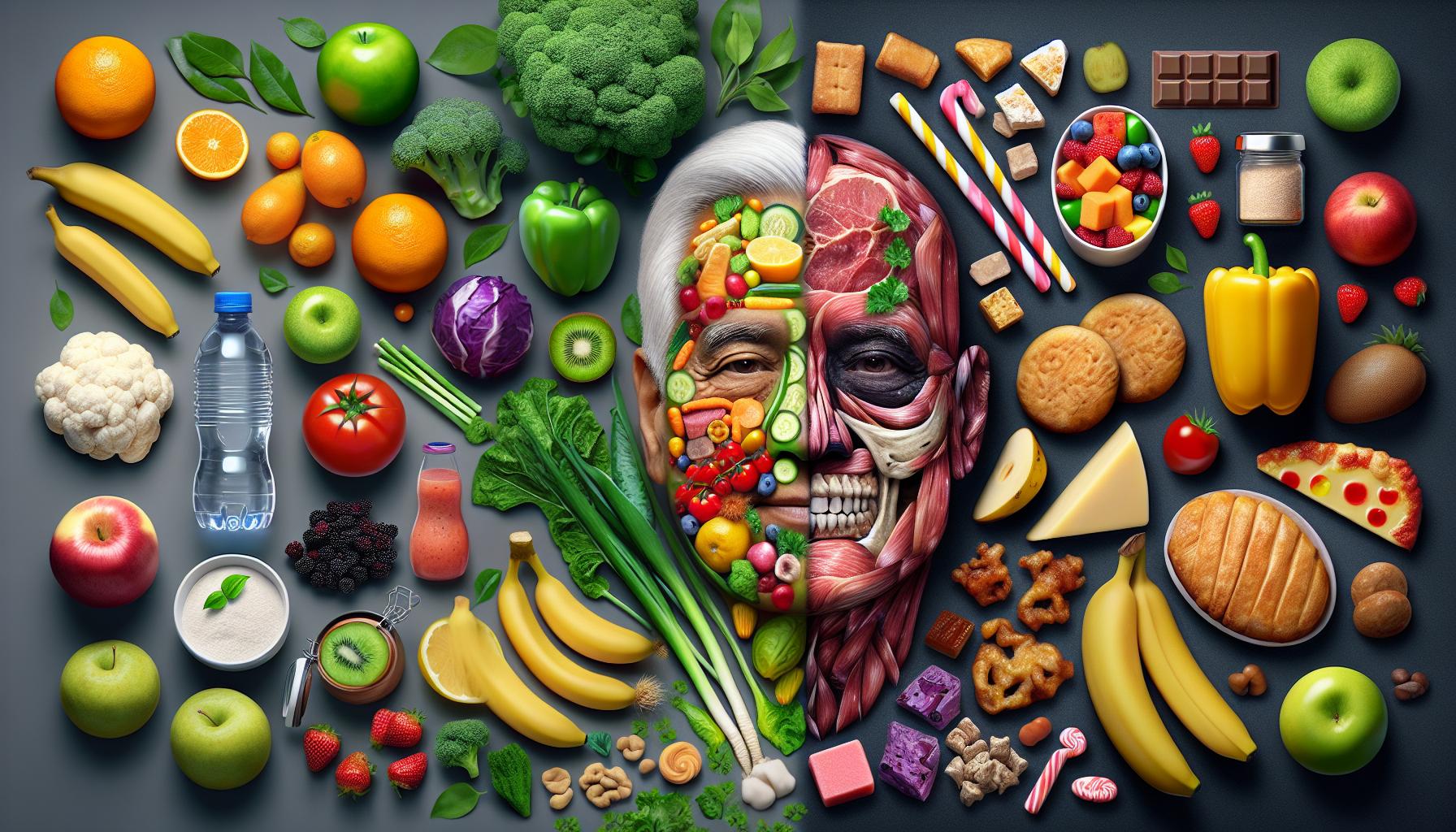
Nutrition, for instance, is a cornerstone in optimizing skin health. A diet rich in fruits and vegetables provides vital antioxidants, including Vitamins A, C, and E. These nutrients not only protect the skin but also work internally to neutralize free radicals. Foods such as berries, leafy greens, and nuts are particularly rich in these protective compounds, contributing significantly to skin vitality. For those curious about specific ingredients, research has shown that the polyphenols found in green tea can enhance skin elasticity and provide UV protection, complementing topical antioxidant applications.
Hydration also plays an undeniable role in maintaining skin health. Drinking adequate water daily helps to support the skin’s moisture barrier, ensuring that antioxidants can effectively penetrate the dermis. Dehydration can lead to a dull complexion and accentuate fine lines, making it essential to prioritize hydration along with antioxidant-infused products. Some skincare experts recommend pairing topical treatments with high-water-content foods, such as cucumbers and watermelon, to enhance hydrating effects.
Additionally, sun protection cannot be overlooked in this discussion. Ultraviolet (UV) rays are one of the leading causes of skin aging and can significantly diminish the efficacy of topical antioxidants. Daily use of broad-spectrum sunscreen not only acts as a shield against these harmful rays but also helps preserve the activity of antioxidants in the skin. In fact, combining sunscreen with antioxidant-rich serums can enhance protection against oxidative stress and inflammation, reinforcing the skin’s defense system.
The market has responded to these intertwined needs with innovative products that combine antioxidants and sun protection. Formulations enriched with SPF alongside potent antioxidant ingredients are gaining traction among consumers aimed at youthful skin. This trend reflects a growing awareness of the dynamic relationship between these factors, pushing the beauty industry to reformulate with a more integrous view of skincare.
Furthermore, the impact of lifestyle factors such as stress management and sleep cannot be underestimated. Chronic stress produces an excess of cortisol, a hormone that can break down collagen and lead to premature aging. Incorporating practices such as meditation, yoga, or regular exercise can mitigate these effects, supporting the skin’s natural healing processes. Good sleep hygiene is equally crucial, as restorative sleep enables the body to repair itself and replenish antioxidant levels, enhancing the skin’s resilience to aging.
In a comprehensive skincare regimen, understanding how antioxidants function in conjunction with lifestyle choices allows consumers to make informed decisions. By focusing not only on product selection but also on overall health practices, individuals can maximize the benefits of antioxidants, thereby promoting a more youthful and vibrant appearance while effectively combating skin aging.
DISCOVER MORE: Click here to dive deeper
Conclusion: Embracing Antioxidants for Youthful Skin
As we explore the role of antioxidants in the fight against skin aging, it becomes clear that these powerful compounds are invaluable allies in our quest for youthful, vibrant skin. Their ability to combat oxidative stress, neutralize free radicals, and enhance overall skin resilience makes them essential in both topical formulations and dietary choices.
However, relying solely on antioxidant-rich creams and serums will not suffice. A holistic approach that includes balanced nutrition, adequate hydration, sun protection, and stress management is key to maximizing their benefits. By infusing our diets with colorful fruits and vegetables, practicing daily hydration, and incorporating sunscreen as a staple in our skincare routine, we create a protective environment for our skin that complements the antioxidant power we apply externally.
The relationship between antioxidants and lifestyle choices extends beyond mere skincare; it is a reflection of our overall health. By adopting habits that promote wellness—such as regular exercise, sufficient sleep, and mindfulness practices—we equip our bodies to counteract the aging process more effectively. The modern beauty market is beginning to recognize this synergy, offering innovative products that not only incorporate antioxidants but also promote a comprehensive approach to skincare.
Ultimately, the journey toward youthful skin involves understanding the multifaceted role of antioxidants and integrating them into our daily lives. With informed choices and consistent practices, we can unlock the potential of these protective compounds, steering our skin towards a more radiant and youthful future. To truly harness the power of antioxidants, let us commit to an all-encompassing strategy that champions both skin health and overall well-being.