The Role of Fragrances in Beauty Products: How They Affect Consumer Perception and Experience
Fragrances: A Hidden Influence in Beauty Products
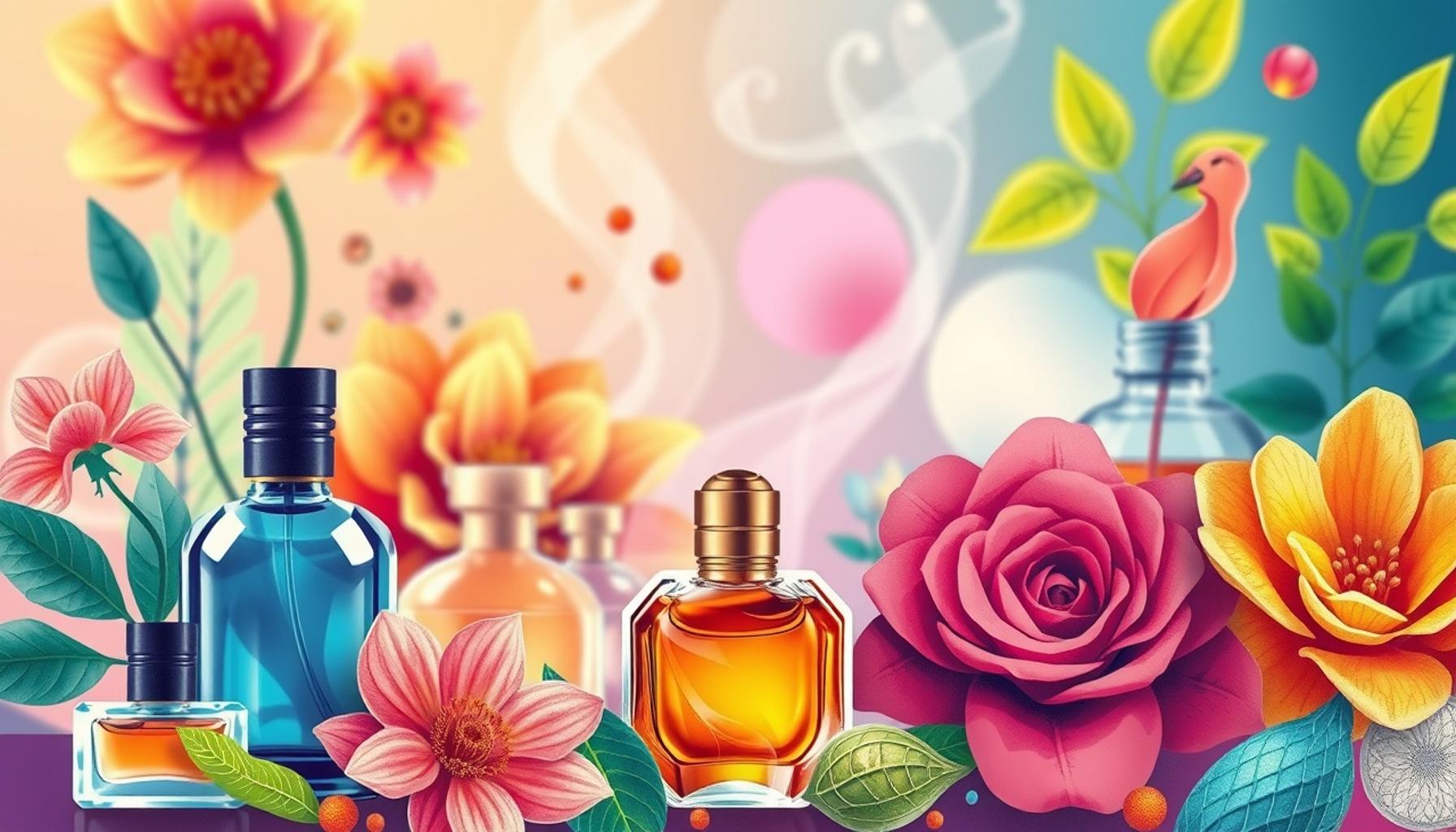
Fragrances play a crucial role in the beauty industry, often influencing consumer choices more than one might think. When shopping for beauty products, many individuals are drawn to scents, which can evoke emotions and memories, creating a sensory experience that significantly enhances the product’s appeal. In a marketplace crowded with options, the scent of a product can ultimately be the deciding factor for consumers.
One of the key aspects of fragrances is their ability to create an emotional connection with consumers. Pleasant scents can evoke feelings of comfort, nostalgia, and positivity. For example, the familiar warmth of vanilla may remind individuals of home-baked cookies, while fresh citrus scents can evoke a sense of energy and renewal. This emotional resonance fosters an affinity for specific products, leading to repeat purchases and brand loyalty.
Beyond personal associations, fragrances are also integral to a brand’s identity. For instance, a signature scent can become synonymous with a brand, much like the iconic Chanel No. 5, which has been a staple in the perfume industry for decades. This olfactory branding creates a unique and memorable experience that consumers associate with the brand’s quality and style. Companies invest significantly in crafting their fragrance profiles, recognizing that these scents are not merely additives; they are essential marketing components that cultivate brand recognition.
On another note, consumer expectations surrounding fragrances significantly shape perceptions of product efficacy. Many beauty product users believe that specific scents correlate with enhanced performance. An example is the association of lavender with relaxation and sleep aids; the soothing scent may lead consumers to believe that a lavender-infused moisturizer is more effective at promoting calmness and hydration than an unscented alternative. This psychological link between scent and effectiveness highlights the importance of fragrance in product positioning.
Moreover, fragrances can profoundly impact the overall consumer experience, influencing behaviors and driving sales. Research indicates that approximately 85% of consumers cite scent as a decisive factor when purchasing beauty products. This statistic underscores the enormous impact fragrances have on customer perception and brand engagement. Products that are not just visually appealing but also scent-pleasant create a fully immersive shopping experience that resonates with consumers on multiple levels.
As we delve deeper into the nuances of fragrances in beauty products, it becomes evident that they shape consumer perceptions, enhance purchasing experiences, and often dictate buying behaviors. The intricate psychology of scent reveals why some brands effectively capture enduring customer loyalty while others may struggle to carve out their niche in the competitive beauty landscape. To fully appreciate this hidden influence, one might explore how fragrance marketing strategies evolve and how new trends in scent creation impact consumer preferences in the ever-changing beauty industry.
DISCOVER MORE: Click here for age-defying makeup techniques
The Psychological Impact of Fragrances in Beauty Products
Fragrances in beauty products do more than just provide a pleasant aroma; they play a pivotal role in shaping consumer psychology and behavior. Various studies indicate that scent can evoke memories and influence emotions, ultimately guiding purchasing decisions in profound ways. When consumers walk into a cosmetics store, the first impression is often shaped by the scent that lingers in the air, creating an initial emotional reaction that can steer them toward or away from certain products.
One remarkable phenomenon is the concept of olfactory branding, where fragrances are deliberately used to create a specific atmosphere or feeling. Brands strategically select scents to align with their marketing goals, aiming to evoke positive emotional responses. For example, luxury brands may opt for richer, more complex fragrances to cultivate a sense of elegance and sophistication. In contrast, eco-conscious brands might use light, herbal scents to reinforce authenticity and connection to nature. This careful curation of scents is intended to enhance brand loyalty and emotional connection, transforming a simple shopping trip into a sensory journey.
Moreover, the psychological impact of fragrance extends beyond initial attraction. Consumers often develop strong associations between scent and the perceived quality of the product. A survey conducted by a prominent beauty research firm revealed that nearly 75% of participants would choose a product over its unscented counterpart purely based on fragrance appeal. This suggests that scents are not only sensory enhancements but powerful influencers on consumer perception. Understanding the nuances of how fragrance can alter one’s perception of efficacy allows brands to refine their products and marketing strategies.
When considering the types of fragrances used in beauty products, it becomes clear that variations can lead to vastly different consumer experiences. Here are some common categories of fragrances utilized in the industry:
- Floral Scents: Often associated with femininity and romance, floral fragrances like rose and jasmine are popular in skincare and perfumes.
- Citrus Scents: Fresh and invigorating, citrus notes such as lemon and bergamot are often used in products aimed at energizing or refreshing the mind.
- Woody Scents: Earthy and grounding, these fragrances, including sandalwood and cedar, appeal to consumers looking for nature-inspired products.
- Gourmand Scents: Sweet and dessert-like aromas, such as vanilla or chocolate, create a sense of comfort and indulgence.
As such, the choice of fragrance can significantly affect not only the consumer’s purchasing behavior but also their ongoing relationship with the brand. This understanding underscores the interconnectedness of scent, emotion, and consumer behavior within the beauty market.
In the next sections, we will explore how trends in fragrance formulation are evolving and what they mean for the future of beauty products, further highlighting the profound role fragrances play in consumer perception and experience.
| Benefits of Fragrances | Impact on Consumer Experience |
|---|---|
| Enhances Emotional Connection | Fragrances evoke pleasant memories, increasing brand loyalty. |
| Creates Distinct Product Identity | Unique scents differentiate products in a crowded market, aiding decision making. |
| Promotes Positive Sensory Experience | Fragrances enhance overall product enjoyment, influencing repeat purchases. |
| Influences Perception of Quality | A well-designed fragrance can elevate the perceived value and sophistication of a product. |
Fragrances play a pivotal role not just in defining the sensory experience of beauty products but also in forging an emotional bond with consumers. When individuals associate a particular scent with positive experiences or memories, their inclination towards that brand or product significantly rises, thereby enhancing brand loyalty.In the competitive landscape of beauty and cosmetics, a unique and appealing fragrance can distinguish one product from another. This acts as a beacon, guiding consumers through the myriad of choices available, further simplifying their decision-making process. Moreover, the ability of fragrances to enhance sensory experience cannot be overstated. The right scent can elevate the enjoyment of a product, making it more memorable and subsequently promoting repeat purchases. Brands that understand the intricacies of fragrance use in their products are often rewarded with heightened customer satisfaction and retention.Lastly, the perception of quality is often intertwined with fragrance. A carefully curated scent can significantly elevate the perceived value and sophistication of a beauty product, creating a premium experience that resonates with consumers. Thus, the crucial role of fragrances in shaping perception and enhancing consumer experience in the beauty industry deserves further exploration.
DIVE DEEPER: Click here to discover the latest in anti-aging innovations
The Evolving Landscape of Fragrance Trends in Beauty Products
As consumer preferences evolve, so too do the fragrance trends shaping the beauty industry. Today’s beauty consumers are increasingly discerning; they seek products that not only enhance their appearance but also resonate with their values and lifestyles. This shift has led brands to innovate beyond traditional fragrance offerings, delving into more complex scent profiles and sustainable options.
One of the prevailing trends is the *clean beauty movement*, which emphasizes transparency and the use of natural ingredients. This movement has propelled the demand for natural fragrances, derived from plants and essential oils, as consumers become more aware of the chemical composition of products they use. According to a recent report, the natural fragrance market is projected to reach over $7 billion by 2025, demonstrating a significant shift toward holistic beauty routines. Brands are now leveraging ingredients like lavender, eucalyptus, and mint not only for their olfactory qualities but also for their wellness benefits, promoting a sense of tranquility and balance.
Moreover, the rise of *personalization* in beauty has led to the emergence of bespoke fragrances. Companies are now offering consumers the opportunity to craft their own unique scent combinations, reflecting personal preferences and identities. This trend fosters a deeper emotional connection with the product, as consumers feel a sense of ownership and exclusivity. Data indicates that nearly 60% of consumers express interest in customized beauty solutions, signaling a newfound desire for personalization that brands can tap into.
Additionally, the existing cultural narratives around self-expression and mental health are fostering a demand for *aromatherapy* in beauty products. Beauty brands are increasingly incorporating essential oils known for their calming, uplifting, or energizing properties into their product lines. For example, orange and bergamot are often included in skincare and haircare formulations aimed at improving mood. Research shows that engaging with scents linked to emotions can significantly improve overall satisfaction and experience with products, promoting the idea that beauty rituals are not solely about aesthetics, but also about emotional well-being.
- Seasonal Fragrances: Several beauty brands have begun launching limited-edition scents that reflect seasonal themes, appealing to consumers’ desire for novelty and freshness. This strategy not only creates excitement but also helps brands strengthen their relationship with consumers by tying fragrances to seasonal experiences.
- Cultural Fusion: The globalization of beauty is blending various cultural elements into fragrances, as seen in the popularity of exotic scents inspired by international locations. This meshing of cultures in fragrance has enabled brands to create a diverse range of products that resonate with varied consumer demographics.
Understanding these evolving trends is crucial for brands aiming to maintain consumer interest. By aligning product offerings with the values and desires of modern consumers, beauty brands can enhance perception and secure a loyal customer base. These shifts in fragrance trends highlight the dynamic interplay between scent and consumer identity, further solidifying the role of fragrances as a key determinant in the beauty product experience.
DISCOVER MORE: Click here to learn how technology is reshaping beauty
Conclusion: The Essence of Fragrance in Beauty
The impact of fragrances in beauty products extends far beyond mere scent; it plays a pivotal role in shaping consumer perception and enhancing the overall experience. As today’s consumers increasingly prioritize authenticity, sustainability, and personal expression, beauty brands are responding with innovative fragrance solutions that align with these emerging values. From the rise of natural fragrances to the allure of bespoke scent options, it is clear that the fragrance landscape is more dynamic than ever. This evolving trend illustrates how brands can forge deeper connections with their audience by embracing transparency and responsiveness to consumer desires.
The incorporation of aromatherapy principles further underscores the transformative potential of fragrances, highlighting their ability to contribute not only to physical beauty but also to mental well-being. Research indicates that scents can exert a profound influence on emotions, making the olfactory experience a vital component of wellness-focused beauty routines. In a market forecasted to witness substantial growth, brands that blend aromatherapy with fine fragrance are likely to capture the interest of a more health-conscious consumer base.
Moreover, the ongoing globalization of beauty practices means that consumers are continuously introduced to diverse fragrance profiles that reflect a rich tapestry of cultures. By leveraging seasonal scents and cultural fusions, brands can entice consumers with novel olfactory experiences that resonate on a personal level. Such strategies reinforce the idea that fragrances are not only about appealing aromas but also about storytelling and personal identity.
Ultimately, the role of fragrances in beauty products underscores the intricate and nuanced relationship between scent, perception, and consumer experience. As this relationship continues to evolve, it is imperative for brands to stay attuned to consumer sentiments and adapt their offerings accordingly. By doing so, they can transform everyday beauty rituals into holistic experiences that leave a lasting impression.