The Role of Water Quality in Effective Plant Care: What You Need to Know
The Significance of Water Quality in Plant Care
Water serves as the lifeblood for plants, influencing not just their survival but also their overall health and productivity. The quality of the water you provide can make a dramatic difference in how well your plants thrive. Grasping the intricate relationship between water quality and plant care is essential for both amateur gardeners and seasoned horticulturists alike.
Understanding pH Levels
pH levels play a pivotal role in how well plants can access nutrients from the soil. Water with a pH level that is too high (alkaline) or too low (acidic) can lock out essential nutrients, creating deficiencies that might not be immediately visible but can inhibit growth over time. For instance, most plants prefer a pH range of 6.0 to 7.0 for optimal nutrient availability. In practical terms, if you are growing acid-loving plants like blueberries, using water that skews toward the acidic side can significantly boost their growth and berry production.
Contaminants and Their Impact
Every gardener should be aware of potential contaminants in their water supply. Municipalities sometimes add chemicals such as chlorine and chloramine to disinfect drinking water. While safe for human consumption, these additives can be harmful to certain plants, especially those sensitive to chemical exposure. For example, many aquatic plants and seedlings can struggle in water containing high levels of chlorine. Testing your water source and considering alternatives such as rainwater collection systems can promote a healthier garden environment.
The Role of Mineral Content
The mineral content of water, whether derived from well water or municipal systems, can also significantly influence plant health. Water high in calcium may be beneficial for plants that thrive in harder soils, whereas water with excessive salt content can lead to salt buildup in the soil, inhibiting growth and causing root burn. Additionally, understanding local mineral profiles can help tailor your fertilization strategies. For instance, some regions in the U.S. may have naturally high levels of iron, benefiting plants that require this element while potentially causing issues for those sensitive to it.
Regional Variations in Water Quality
Given the vast geographic diversity within the United States, understanding your local water quality can be the key to successful plant care. Regions relying on groundwater often face different challenges than those using surface water. For example, well water in some areas of the Midwest may be rich in iron and other minerals, which can help certain crops but may necessitate regular monitoring to avoid nutrient imbalances. Meanwhile, city dwellers might have access to system-treated water, but the fluctuations in treatment processes and the presence of chemicals could pose challenges for sensitive plants.
In conclusion, appreciating the nuances of water quality opens up a world of possibilities for enhancing plant health. An informed approach to watering can transform your gardening efforts, leading to vibrant blooms and robust yields. By tapping into local resources and conducting regular water tests, you will set the stage for a garden that flourishes, unlocking the full potential of every seed sown.
DISCOVER MORE: Click here to enhance your gardening knowledge
Key Factors Influencing Water Quality in Gardening
Understanding the quality of water used for your plants is not merely a matter of availability; it encompasses a myriad of factors that may dictate the success or failure of your gardening endeavors. Knowledge of the essential elements influencing water quality can empower gardeners to make informed decisions, contributing to a healthier and more vibrant garden. Here are the vital components to consider:
Water Temperature and Its Effects
Water temperature can impact plant growth, as it affects the solubility and availability of nutrients. Warmer water holds less dissolved oxygen, crucial for root development. Most plants prefer water at temperatures aligned with their growing conditions—cooler for many outdoor plants and slightly warmer for tropical varieties. If you’re using heated water, ensure it is moderately warm and not scalding, as extremes can shock the root system.
Water Hardness
Water hardness refers to the concentration of minerals like calcium and magnesium in the water supply. While moderate hardness can be beneficial in contributing nutrients to plants, excessive hardness can lead to specific issues such as:
- Soil salinity, which can inhibit plant uptake of water and nutrients.
- Leaf burn due to calcium buildup.
- Nutrient lockout, particularly phosphorus, as hard water can fix phosphate in the soil.
Testing for water hardness can help tailor your approach to fertilization and amendment. For instance, if your region has naturally hard water, consider amending your soil with gypsum or sulfur to mitigate possible negative effects.
Understanding Total Dissolved Solids (TDS)
Total Dissolved Solids (TDS) encompass inorganic salts and some organic matter found in water. A high TDS level can indicate a concerning concentration of contaminants, which might attract attention, particularly for sensitive plants. Ideally, TDS levels should remain under 500 mg/L for optimal plant health. Regular testing with a TDS meter will allow you to monitor your water’s quality effectively—an imperative step in avoiding salt stress and promoting healthy growth.
Watering Methods and Their Impact on Quality
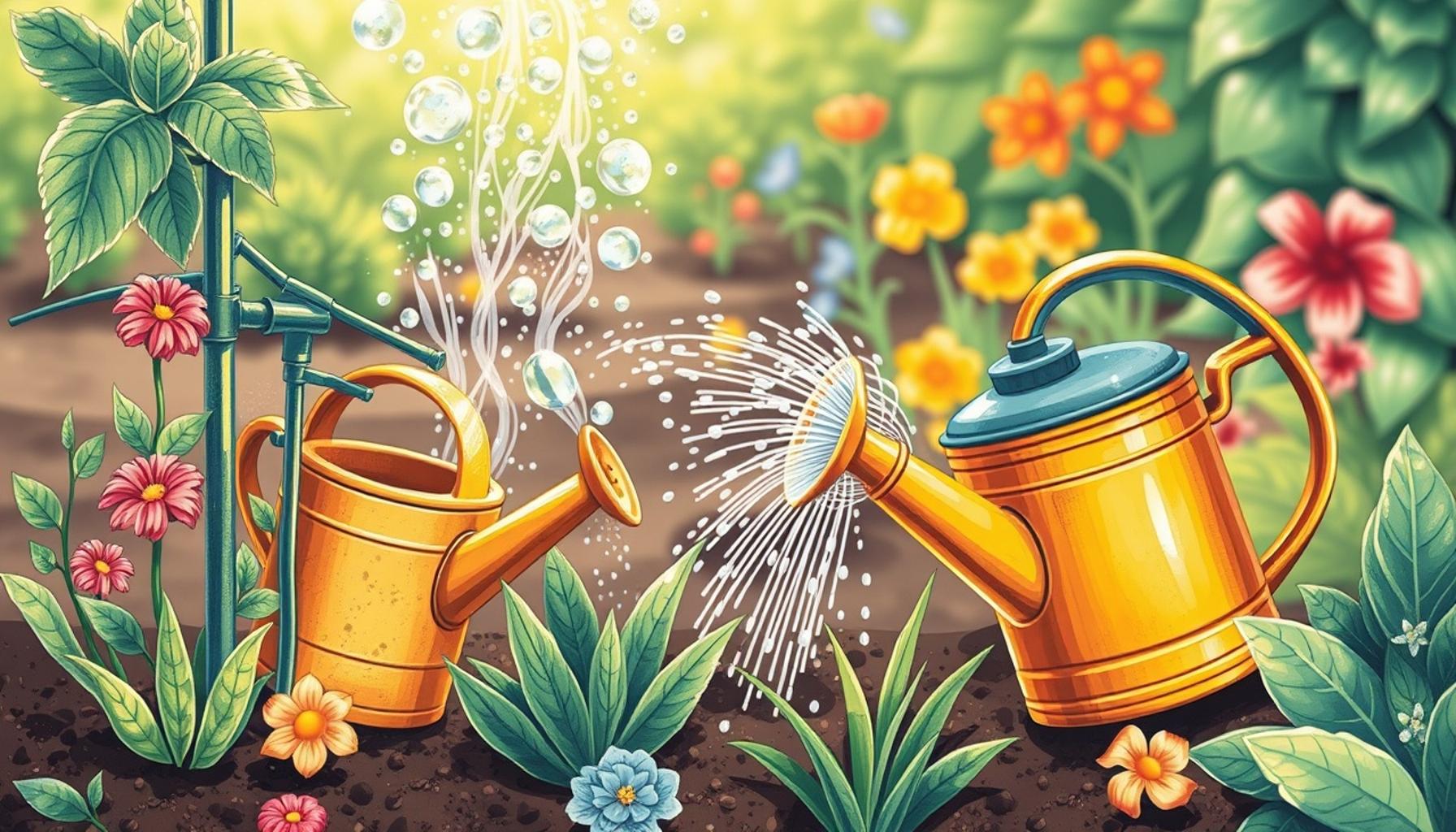
The method you choose for watering can also influence the quality of water absorbed by your plants. For instance:
- Drip irrigation ensures that water is delivered at a consistent rate, minimizing water wastage and preventing soil erosion.
- Soaker hoses allow water to seep into the soil gradually, distributing moisture evenly and reducing surface runoff.
- Sprinkler systems can create evaporation losses and vary water distribution, potentially affecting the moisture levels in different parts of your garden.
By selecting an efficient watering method, you not only promote effective water usage but also help maintain the quality that directly benefits the health of your plants.
In summary, understanding the multifaceted nature of water quality is paramount for effective plant care. By considering factors such as temperature, hardness, TDS levels, and your watering approach, you lay the groundwork for a thriving garden. Taking the time to test and adjust your water supply ensures that your plants receive the nutrients they require, ultimately leading to flourishing growth and productivity.
The Importance of pH Levels in Water Quality
Water quality directly impacts plant health, and one of the critical factors to consider is the pH level of the water. Different plants thrive in varying pH ranges; most prefer a slightly acidic to neutral pH (around 6.0 to 7.0). Monitoring and adjusting the pH level of your watering source can enhance nutrient availability and uptake, leading to better growth and vitality.
For example, if the pH is too high (alkaline), it can lead to nutrient deficiencies like iron chlorosis, which can severely stunt plant growth. Conversely, overly acidic water can lead to leaching of essential nutrients. Therefore, using a pH testing kit to regularly assess water quality is highly recommended for any plant care regimen.
Understanding Hardness in Water
Another crucial aspect of water quality is its hardness, which refers to the concentration of calcium and magnesium ions. Hard water can leave deposits on foliage and benefit certain plants that thrive on the minerals it provides; however, it can also hinder the health of more sensitive varieties. Aspects like soil type and plant species should be considered when determining if your water hardness level is suitable.
For instance, plants such as succulents and cacti often do well with hard water due to their natural adaptations. In contrast, plants like orchids may suffer from excess minerals. Filtering systems can help adjust water hardness for optimal plant health based on specific needs.
The Role of Chlorine and Other Chemicals
Many municipal water supplies add chlorine and other chemicals to disinfect. While these are essential for human health, they can be detrimental to plants. Chlorine can damage roots and inhibit growth, so letting tap water sit for 24 hours before using it can help dissipate chlorine levels.
Additionally, utilizing filtered or rainwater can be more beneficial, as it is devoid of such chemicals and often has a more balanced pH level. Understanding the quality of your water helps in making informed choices that will lead to thriving indoor and outdoor gardens.
| Water Quality Factor | Importance for Plant Care |
|---|---|
| pH Levels | Influences nutrient availability and uptake. |
| Water Hardness | Affects mineral availability and plant health. |
By understanding these aspects of water quality, gardeners can create conditions that promote stronger, healthier plants. This knowledge opens the door to a more nuanced approach to plant care and guarantees that your green friends receive exactly what they need to flourish.
DISCOVER MORE: Click here for essential sunlight tips
Essential Techniques for Monitoring and Improving Water Quality
While understanding the critical factors affecting water quality is essential, implementing practical techniques to monitor and enhance these elements can significantly benefit your gardening efforts. Here are several methods for ensuring that the water you provide is conducive to healthy plant growth:
Water Testing Kits: Your First Line of Defense
Investing in a watter testing kit is an invaluable step for any serious gardener. Kits are available that test for pH levels, hardness, TDS, and specific contaminants such as chlorine or heavy metals. Regular testing allows you to pinpoint problems early and adapt your care strategy accordingly. For instance, if your pH is found to be too high for your intended plants, amendments such as sulfur or peat can help acidify the water. Conversely, if you have an overly acidic condition, adding lime can bring balance. Understanding these parameters is crucial, as most plants thrive in a specific pH range of 6.0 to 7.5.
Rainwater Harvesting: A Sustainable Option
One effective way to improve water quality is to utilize rainwater harvesting. Rainwater is generally free from chemicals and contaminants commonly found in municipal water supplies. By installing rain barrels or a more complex rainwater collection system, gardeners can collect and store rainwater for irrigation. Not only does this method enhance water quality, but it also promotes sustainability by reducing reliance on treated water. Furthermore, rainwater typically has a neutral pH level, making it suitable for a wide variety of plants.
Filtration Systems: Enhanced Purity for Optimal Growth
Consider integrating a filtration system into your watering approach, especially if you know your water supply contains high levels of contaminants or heavy metals. Reverse osmosis systems, for example, effectively remove harmful substances while retaining essential minerals. While they may require an upfront investment, the long-term benefits for plant health can justify the cost. Furthermore, maintaining a regular cleaning schedule for hoses and watering tools can also prevent contamination and help ensure that the water remains pure.
Ion Exchange and Water Softeners: Tailoring to Your Needs
If water hardness is an issue, utilizing a water softener can help mitigate high mineral content. Ion exchange systems replace calcium and magnesium ions with sodium ions, providing a more plant-friendly watering solution. However, it’s vital to monitor sodium levels, as excessive sodium can hinder plant growth. Regularly checking sodium levels ensures a balanced approach, supporting the delicate balance required for optimal plant health.
Creating a Custom Watering Schedule
Beyond the water quality itself, tailoring your watering schedule according to climate conditions and plant needs can enhance the efficacy of your efforts. For instance, during hotter months, an evening watering schedule can reduce evaporation rates, thus optimizing water usage. Furthermore, conducting soil moisture tests will inform you when to water, ensuring your plants are neither overwatered nor underwatered. The right timing, combined with quality water, sets the foundation for a thriving garden.
By incorporating these monitoring and improvement techniques, gardeners can ensure that the quality of their water contributes positively to their plant care regimen. It is this proactive approach that amplifies their chances for a bountiful and healthy harvest, fostering a deeper connection with nature’s intricate ecosystems.
DIVE DEEPER: Click here for essential soil preparation tips
Conclusion: The Critical Impact of Water Quality on Plant Health
In summary, the quality of water you provide to your plants can significantly influence their growth, health, and resiliency. Through careful assessment and monitoring of water parameters such as pH, contaminants, and hardness, gardeners can tailor their approach, ensuring that their green companions thrive. The utilization of water testing kits, adoption of rainwater harvesting techniques, and implementation of advanced filtration systems are essential steps to achieve optimal water quality. Furthermore, actively managing water hardness through water softeners and designing a personalized watering schedule can enhance the overall effectiveness of your planting strategy.
As a gardener, it is your responsibility to cultivate an environment where your plants can flourish. By prioritizing water quality, you establish a solid foundation for growth, paving the way for a vibrant and abundant garden. This proactive approach not only benefits the plants but also creates a rewarding experience for the gardener. Delving into the specifics of water quality may seem daunting at first, yet the knowledge gained will equip you to make informed decisions. Explore further and experiment with various methods to assess and optimize your watering practices—your garden will thank you in return with lush foliage and bountiful blooms.
Embrace the partnership between water quality and plant care as you embark on your gardening journey. With the right information and techniques at your disposal, you can foster a thriving green space that reflects your dedication and understanding of nature’s intricate balance.